
Pavel Timofeyevsky piano
BRIDGES MUSIC BMCD05
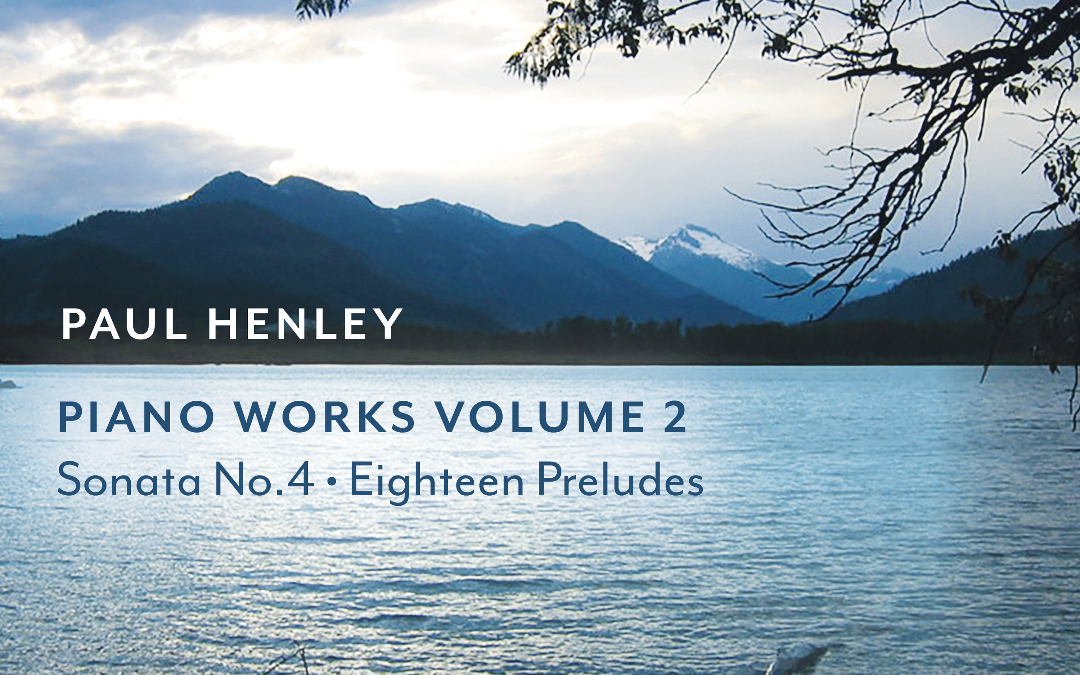
Paul Henley came to composition as a sole occupation somewhat late, when he was 60, after a varied career as an opera singer and a teacher. His catalogue of works is impressive, and this second volume of his piano music is every bit as engaging as the first.
The fourth Piano Sonata is in three substantial movements, the longest being the central adagio. Like all good composers, Henley has the ability to place himself within a tradition, in this case British solo piano music, without betraying the slightest indebtedness to any existing model.
The opening Allegro con brio brought to my mind the sonatas of Arnold Bax, although not for very long. The writing is always purposeful, using a repeated pattern of four notes building to an entirely logical sense of climax, followed by an abrupt conclusion. The slow movement shows the composer at his most expressive, with a skilful pacing of the movement’s progress so that the climax, when it arrives, sounds completely inevitable with an intensity that is unusual in contemporary keyboard music. The final Molto energico is a joyous toccata which is also a dance,and it serves as a brilliant contrast to the previous movement.
The Eighteen Preludes is an enormous single work lastly just under 45 minutes. The title may lead one to expect a sequence of pieces, most of no more that two or three pages in length and adhering to the model adopted by Chopin, Scriabin and Shostakovich, where each prelude, beginning in C major, is followed by one in the minor, progressing by steps of a fifth until F major and D minor are reached. Nothing could be more unlike the pattern just described.
The composer conceived the work as a single span, ideally played without a break, although he does allow that it is possible to play individual movements or a selection of them. The very able interpreter, Pavel Timofeyevsky, remarked that a closer comparison would be Schumann’s Carnival or Mussorgsky’s Pictures at an Exhibition and for this listener, I found myself in agreement.
However it is regarded, this is extremely appealing tonal contemporary music with sufficient variety of texture, harmony and mood to banish all thoughts of previous sets of preludes or indeed, the music of other composers. There is a consistency of tone which keeps both blandness and exhibitionism entirely at bay.
Review by Martyn Strachan