
As we approach the silly season, Nicholas Keyworth takes a light-hearted look at composers named after England, Scotland, Wales and Ireland…
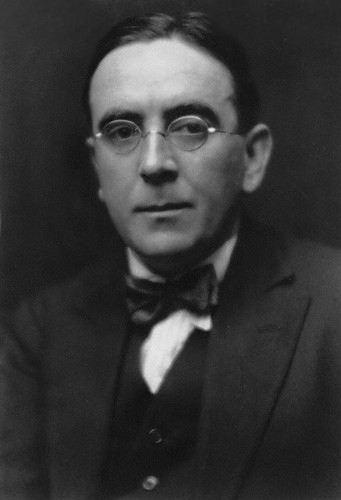
As I was cruising through the beautiful Cheshire countryside along the Bridgewater Canal on my narrowboat I suddenly realised that nearby Altrincham was the birthplace of John IRELAND (1879-1962).
Ireland was brought up in a rather grand house in St Margarets Road called Inglewood, built in 1869 for his father Alexander Ireland on land bought from the Dunham Massey estate. A Scot by origin, business manager of the advanced liberal newspaper, the Manchester Examiner and Times, Alexander was a leading literary and intellectual figure in Manchester.
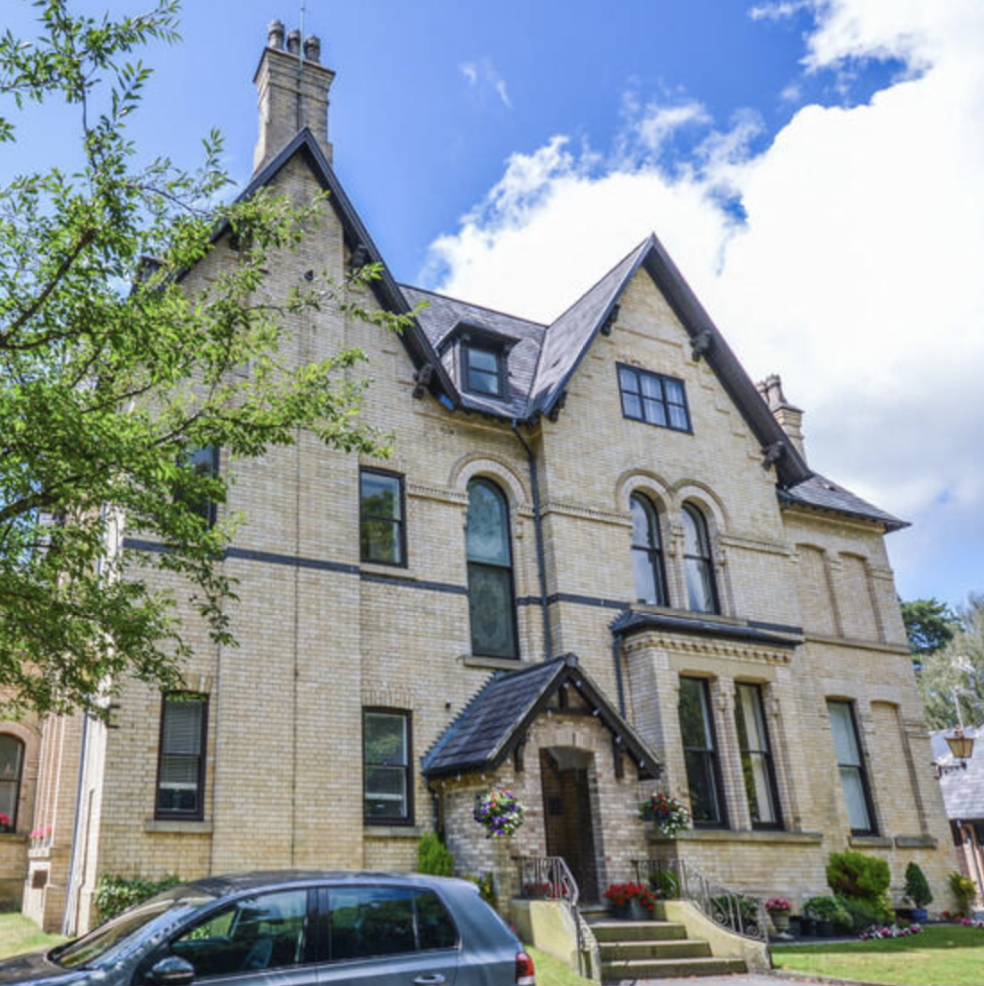
The house still stands today, though much extended and converted into apartments. Nevertheless, its connection with John Ireland is well noted locally and the apartments are appropriately run by ‘John Ireland’s House Management Company Limited’.
Now, how about Scotland? Here the trail becomes more slippery: John SCOTLAND does turn up in older sources of glees and catches, but he appears to have been a pseudonym or alias associated with George Berg (c.1730-1775). Berg was not only an important composer in London during the 18th century, he was also a member of the Madrigal Society. It was within this secular vocal genre that he adopted the pseudonym ‘John Scotland’ to publish various works including the glee Lightly tread, ’tis hallowed ground. That may not make him a fully fledged ‘John Scotland’, but for a pub quiz he is surely too good not to mention.
Turning to Wales, we have two options: Thomas WELSH (c.1780-1848),was an English composer and operatic bass born in Wells, Somerset. He spent most of his career in London becoming well known for his lighthearted stage works performed at London’s Lyceum theatre such as The Green-Eyed Monster, or How to Get Your Money!
Our other option is Nick WALES (b.1975), a contemporary Australian composer known for his immersive electronic classical music.

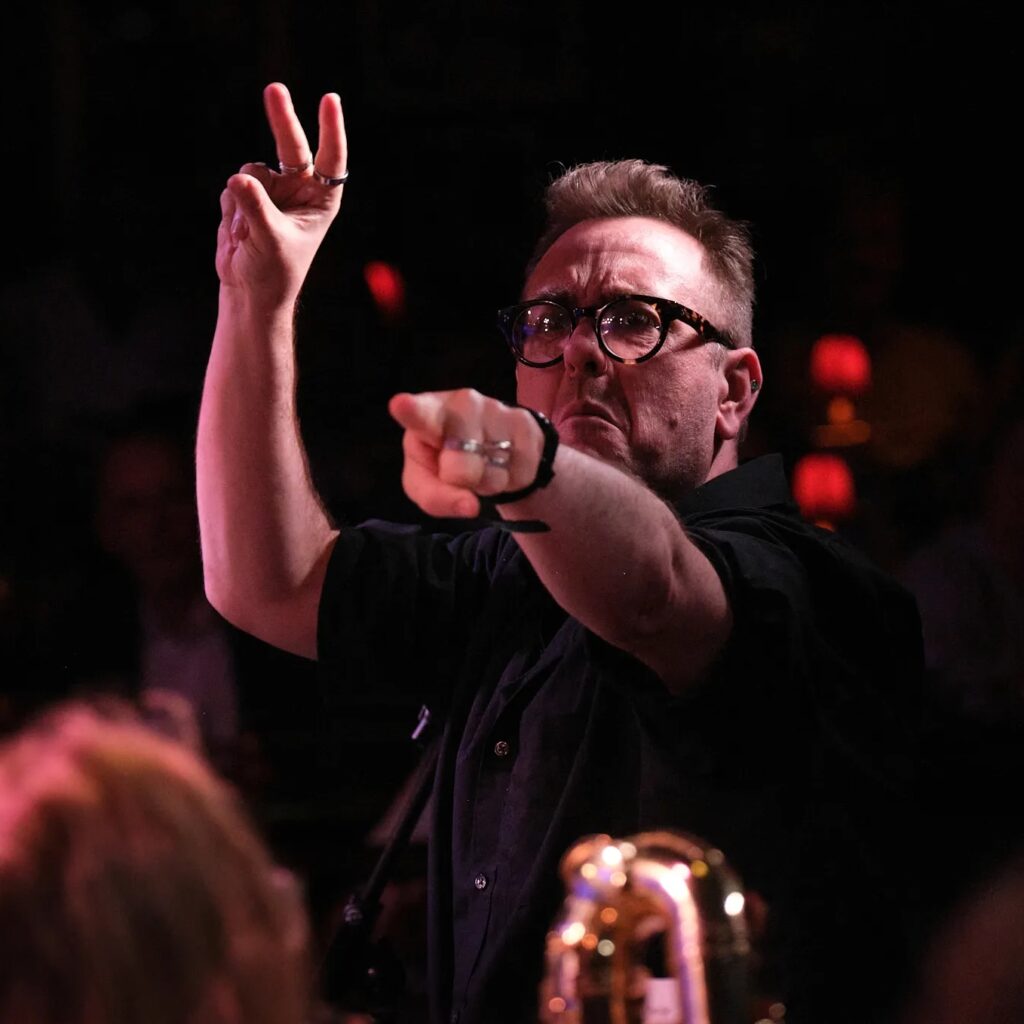
And that brings us to England where we should name Colchester born contemporary composer and conductor, Michael ENGLAND (pictured above left) Highly regarded in the classical and theatrical worlds, musical director of several West End shows, and the musical mastermind behind the Shanghai Ballet’s award-winning production of Hamlet.
We should also recognise John ENGLAND, the 18th-century organ builder and composer of minor liturgical works during the 18th century, or the so-called velvet piano style of pianist and composer Jon ENGLAND (b.1960) (pictured above right). We might even add the obscure Paul ENGLAND (c1863–1932), whose vocal and choral works survive in music catalogues.
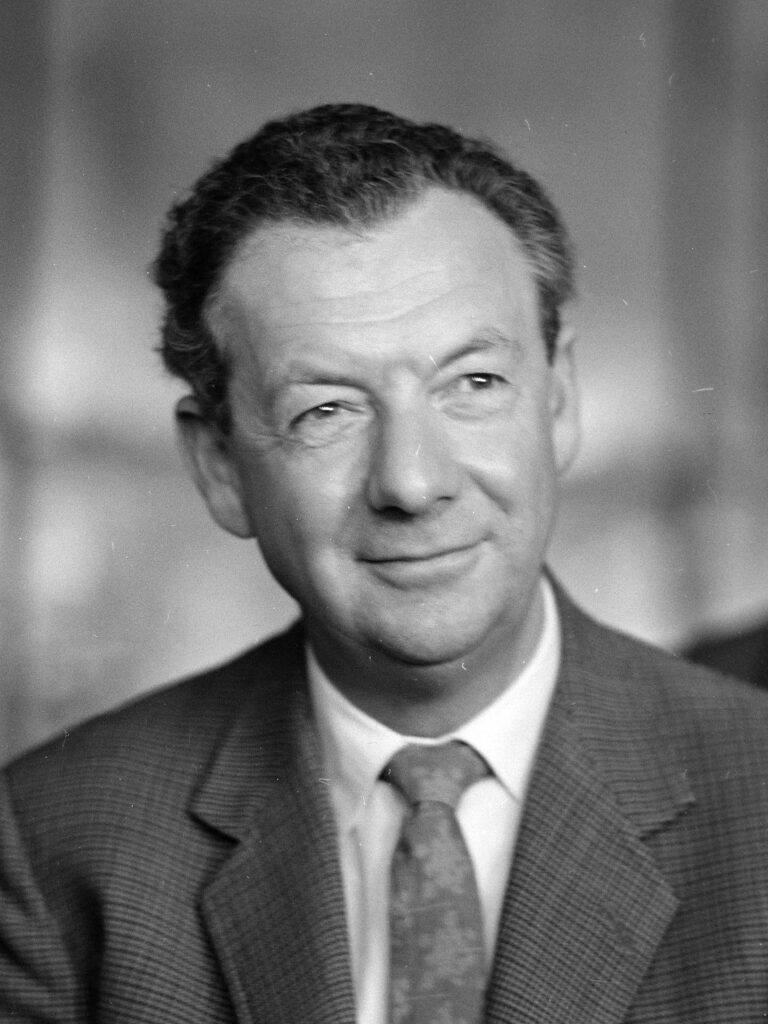
But as we have toured the whole of the British Isles, we can hardly fail to mention one of the 20th century’s British greats: Benjamin BRITTEN (pictured below). Yes, different spelling I know – and according to historical surname records, possibly derived from ‘a person from Brittany’.
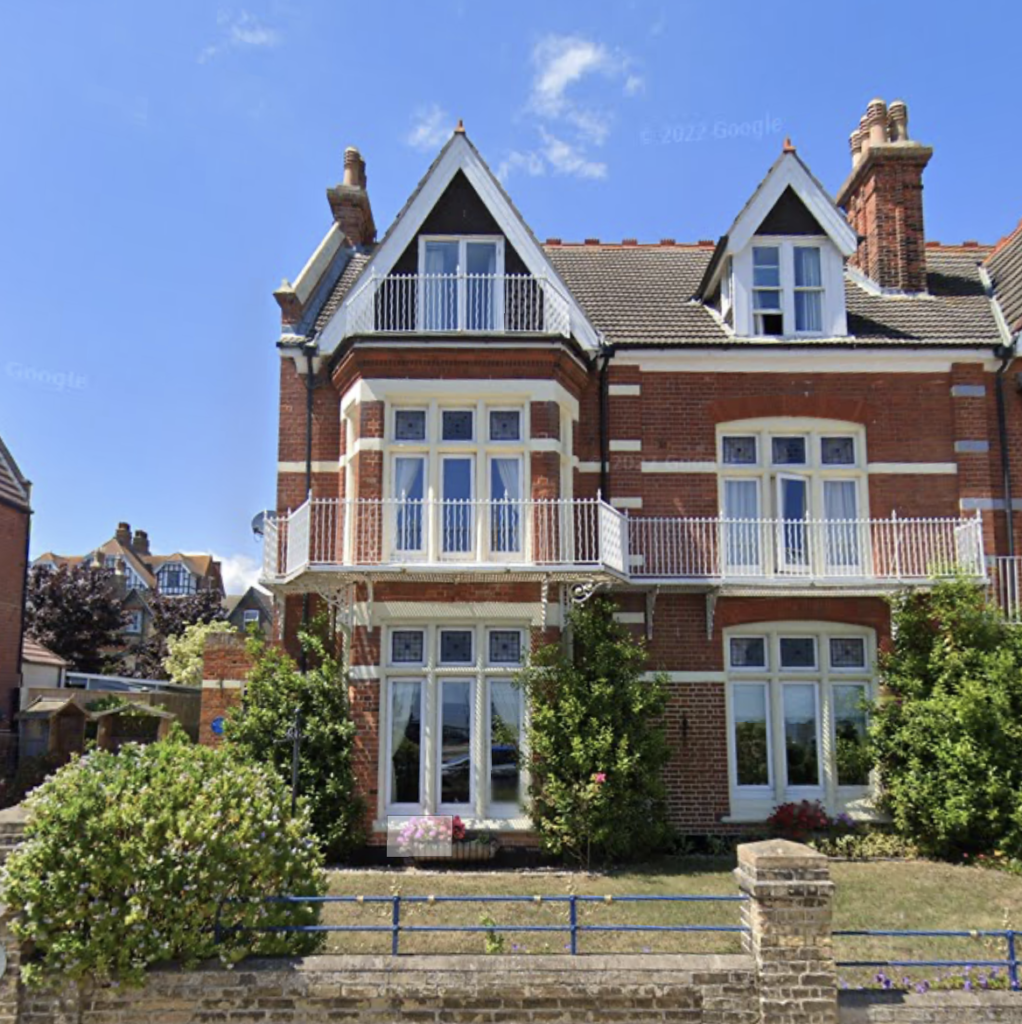
Born at 21 Kirkley Cliff Road in the Suffolk seaside town of Lowestoft in 1913, Britten certainly revolutionised 20th century British music placing it once more on the international stage. There are at least three plaques on the house (pictured below) – plus a sign – so you certainly can’t miss his birthplace.
Have I missed any other contenders? Please let us know in BiteBack.
Written by Nicholas Keyworth
Photo credits
Main image by Chris Boland on Unsplash
John Ireland image by Herbert Lambert